How to Download NOOK Books on PC, Mac, and Mobile (2026)

Summary: Learn how to download Nook books in 2026 using Android emulators for PC, the Nook app for iOS and Android, and third-party tools like Epubor, PDFMate, and Calibre to remove DRM. These solutions help you access, convert, and back up your Nook library across various devices.
Table of Contents
NOOK downloads can mean offline app access, browser reading, or an external file you can sideload. Those are different outcomes: a NOOK app download is not automatically a transferable ebook file. This guide helps you select the option that matches your device and reading needs.
Choose the Right NOOK Download Method
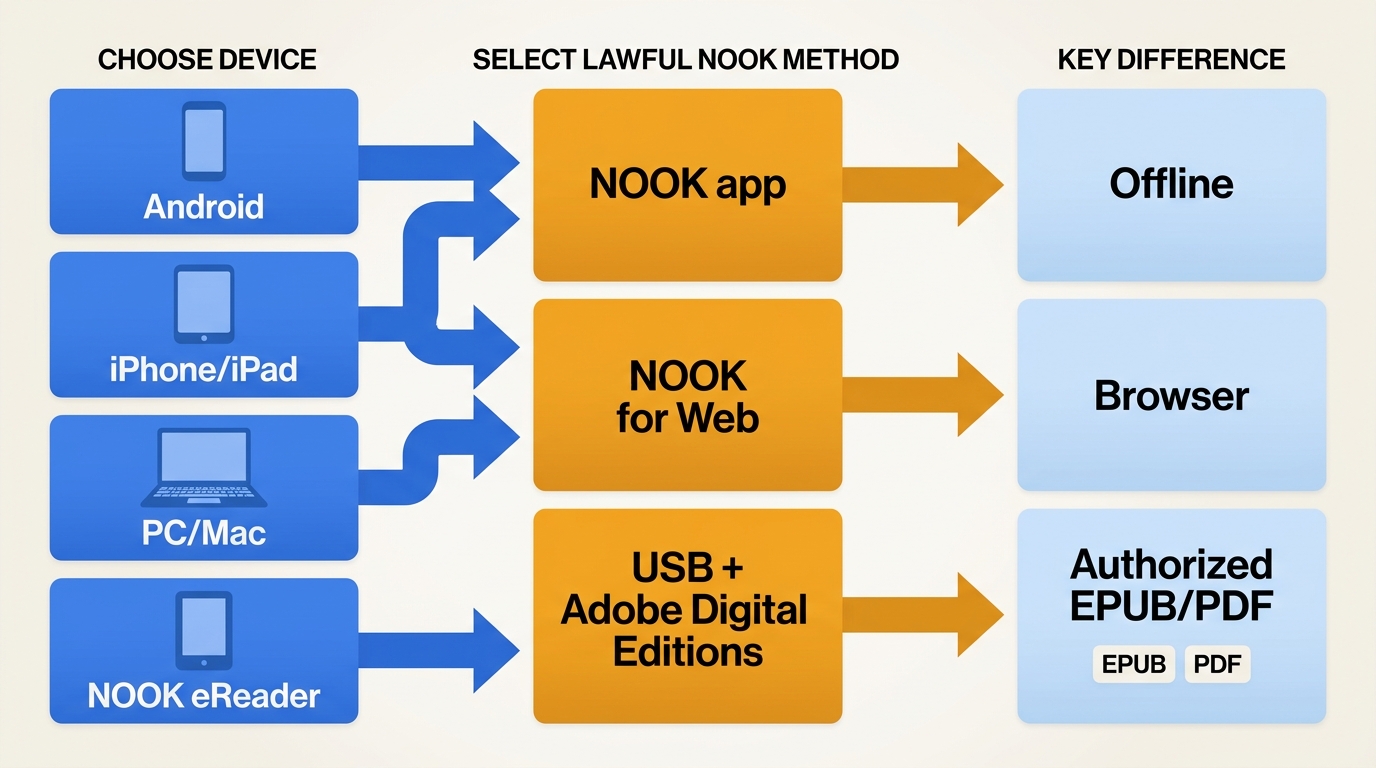
Before you download NOOK books to a PC, phone, or tablet, decide what result you need. A downloaded title inside an app is useful for offline reading, while an external EPUB or PDF is a separate type of file that can be transferred to a compatible NOOK device.
| Method | Devices | Access result | Local-file result | Works well for |
|---|---|---|---|---|
| NOOK mobile app | Android, iPhone, iPad | Offline app reading | App-managed download | Reading purchased titles offline |
| NOOK for Web | PC, Mac | Browser reading | No ordinary ebook file | Eligible titles on a computer |
| USB or Adobe Digital Editions | Computer, compatible NOOK | Sideloaded external files | External EPUB or PDF | Library or personal files |
| NOOK app access | Android, iPhone, iPad; Windows via emulator | Offline app reading | App-managed download | Mobile reading; technical Windows access |
| Authorized local-file workflow | Compatible reading devices | Personal offline library | Depends on source and terms | Readers with a portability need |
Support status and feature availability are stated as of August 2026.
Download NOOK Books on PC or Mac
Read with NOOK for Web
For readers who want to read NOOK books on a computer, NOOK for Web is the supported browser route for eligible titles. Availability depends on publisher permission. Magazines, newspapers, NOOK Kids books, and PDFs are excluded, and browser reading does not include highlighting, notes, bookmarks, or Find in Book.
Barnes & Noble no longer supports updates for the legacy NOOK for PC, NOOK for Mac, or NOOK for Windows apps. If browser reading already gives you the access you need, it is the clearer choice because it does not add emulator setup or file-management expectations.
Use an Android Emulator Carefully
An Android emulator can run the mobile NOOK app on a Windows computer, but it is not an official desktop reading path. It is a technical workaround for readers who understand virtual-device setup and still need app-based access; it does not turn NOOK downloads into ordinary transferable ebook files.
Step 1: Configure an Android Emulator on Your Computer
Prerequisites: a Windows computer capable of running Android Studio, a Barnes & Noble account with eligible library titles, and enough local storage for the virtual device. This setup is not a substitute for NOOK for Web when browser reading is available.
To start, you'll need an Android emulator that can run apps the same way as an actual Android device. Android Studio, the official development environment for Android, includes a built-in emulator suited for this task.
- Visit the Android Studio website to download the installer.
- Follow the on-screen instructions to finish the installation.
Step 2: Create a Virtual Android Device
Once Android Studio is installed, set up a virtual device.
- Open Android Studio.
- Select More Actions, go to Virtual Device Manager, and choose Create virtual device.
- In the Phone category, pick a model (for example, Pixel 5) and click Next.
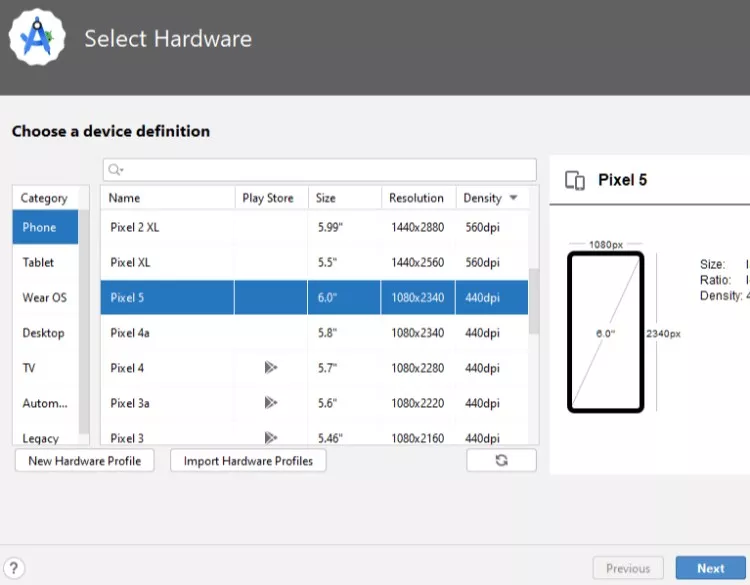
- Select a system image that includes Android 9.0 (Google APIs) or a later version to ensure compatibility.
- Complete the setup and click Finish.
- Launch the virtual device using the triangle "Play" icon.
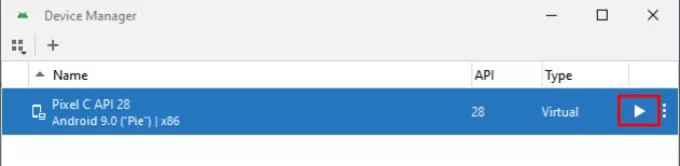
Step 3: Proceed to install the Nook App within the Emulator
With the emulator running:
- Use the emulator’s supported app-installation options to add the NOOK app.
- Open the app after installation and sign in with your Barnes & Noble account.
- Allow the library to refresh before selecting an eligible title.
Step 4: Login and Download Your Nook Books
Once inside the Nook app:
- Sign in using your Barnes & Noble credentials.
- Explore your library and select the download icon for each book or audiobook you wish to download.
- Downloaded titles remain managed within the app environment for offline reading and are not ordinary transferable ebook files.
What this method does and does not provide
The emulator provides app-based access on a PC. It is not a supported export route for Barnes & Noble purchases, and readers who need a portable local file should review the authorization, platform-terms, and device-compatibility limits described below.
- Review App-Based Access
Sign in to the NOOK app and confirm that the selected title is available in your library before relying on the emulator for offline reading.
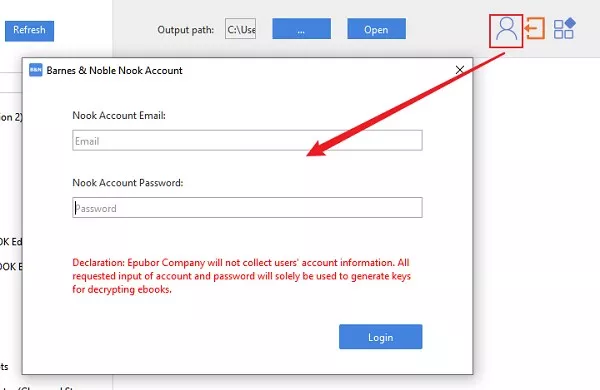
- Use the NOOK library filters to confirm whether a title has finished downloading inside the app.
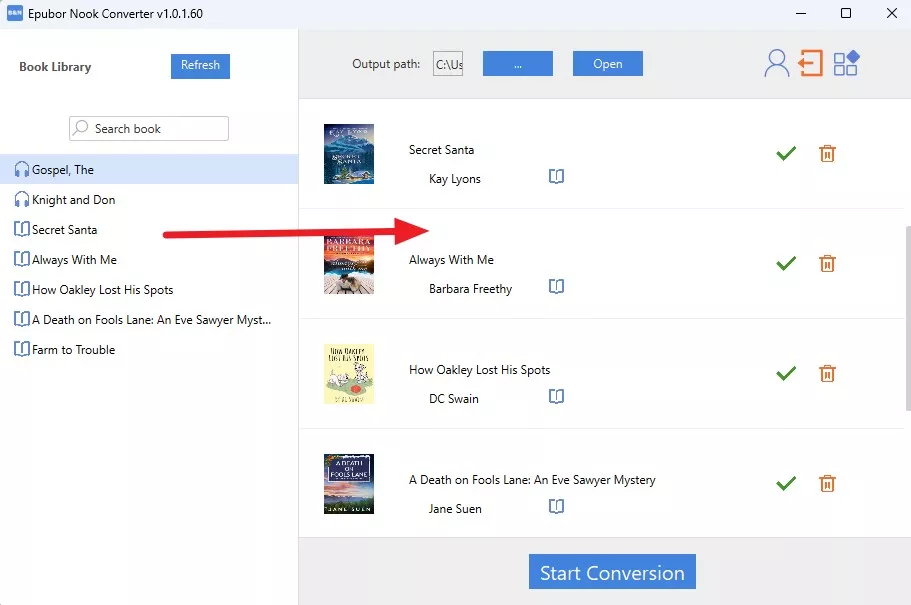
An emulator can be useful when a reader specifically needs the Android app on Windows, but it adds setup and troubleshooting that many readers do not need. For eligible books on a computer, NOOK for Web is generally the simpler route.
Download NOOK Books on Phones and Tablets
The supported NOOK mobile apps provide account-based library access and offline reading on phones and tablets. Install the app, sign in, let the library refresh, and select the download control beside an eligible title. These downloads remain managed inside the app rather than appearing as ordinary files for transfer.
NOOK Downloads on Android
Install the NOOK app from Google Play, then sign in and open your library. Check the app’s Wi-Fi or cellular download settings before downloading a title, especially when downloads pause or never begin. A refresh of the library can also help after a recent purchase or account change.
- Install the app from Google Play and sign in with your Barnes & Noble account.
- Open the library, refresh it if needed, and tap the download control beside an eligible title.
- Keep sufficient device storage available; the offline copy stays in NOOK app storage.
NOOK Downloads on iPhone and iPad
On iPhone and iPad, install the Barnes & Noble NOOK app from the App Store, sign in, and download eligible titles from your library for in-app offline reading. The practical difference from Android is the App Store installation path; the downloaded title is still app-managed content rather than a general-purpose EPUB or PDF file.
- Find the Barnes & Noble NOOK app in the App Store and complete installation.
- Sign in, open your library, and tap the download control beneath an eligible cover.
- Wait for the progress indicator to finish before switching to offline reading.
Local-File Options for Purchased NOOK Books
For content you’re authorized to access, where permitted by platform terms and applicable law, a local-file workflow may support personal offline reading on compatible devices. This is different from downloading a title inside the NOOK app, and no single workflow applies to every Barnes & Noble ebook, device, or account.
Start with the reading result you actually need. Readers who only want offline access on a phone, tablet, or computer will usually have fewer moving parts with the supported NOOK app or NOOK for Web. Local-file options make more sense when device migration or personal library organization is the specific goal and the source file is accessible under the relevant terms.
| Option | Appropriate starting point | Not a good match for | File outcome |
|---|---|---|---|
| Epubor NOOK Converter | Accessible source files and format checks | App-only NOOK downloads | Depends on source and supported format |
| PDFMate eBook Converter | Reviewing accessible files and metadata | Reader access inside the NOOK app | Depends on source and target device |
| Calibre | Organizing accessible ebook files | A quick supported NOOK download | Format and library management |
Epubor Nook Converter
Epubor NOOK Converter is a desktop option for readers evaluating a local-file workflow after confirming that their content source, account access, and intended use permit it. It does not replace the supported NOOK app or NOOK for Web for ordinary account-based reading.
Its fit is readers who already have accessible source material and need to assess output for a compatible personal reading setup. It is not a quick supported download route, and results can vary with the title, account environment, and software compatibility.
Before adding any converted title to a main library, open it in the reading app you plan to use and check the cover, table of contents, paragraph spacing, and image-heavy pages. A file that opens is not necessarily ready for comfortable reading or reliable navigation.
For an accessible file, confirm that the source, output format, and target reading app are compatible with your authorized personal use before adding it to a library.
This option is for readers who already have accessible files and need to inspect compatibility before placing them in a personal library. It is not a replacement for NOOK for Web or the NOOK mobile app.
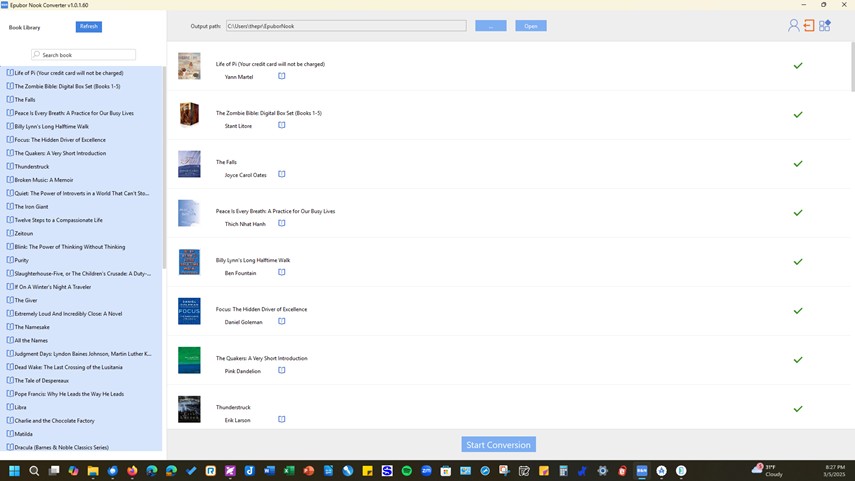
Step 3. Check the File Outcome
- Confirm that the source material, output format, and target reading app are compatible with your authorized personal use.
- Open any resulting file in the target app and check its navigation, cover, and page layout before organizing it with the rest of your library.
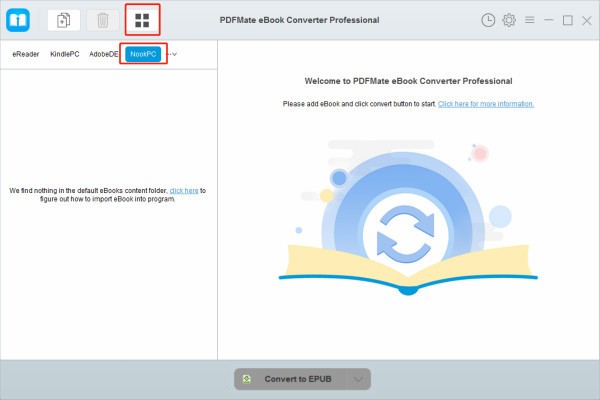
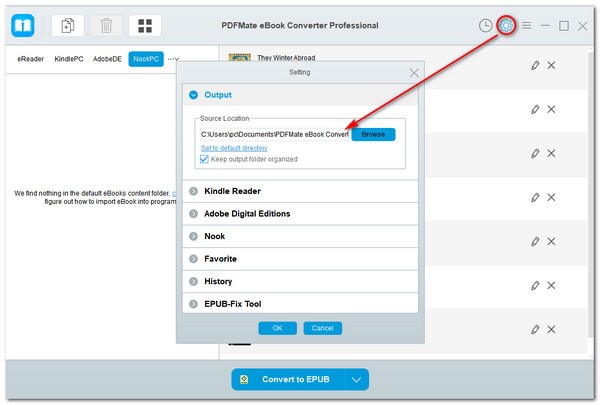
PDFMate eBook Converter
PDFMate eBook Converter is another desktop product readers may evaluate for authorized local files. Its usefulness depends on the source file, the format accepted by the target device, and the product’s current support for that combination.
This option may be worth considering when metadata such as title, author, or publisher needs attention before a file is added to a personal library. It is not the right starting point for readers who only need supported NOOK app access or browser reading.
Keep the evaluation focused on the files you can legitimately access, the output you need, and whether the finished book retains readable text, correct chapter order, and useful library information.
Review accessible files before library organization
Check that the file opens in the intended reading app and that its format is accepted by the target device before organizing it with the rest of your books.
Calibre
Calibre is a free, open-source ebook manager for organizing libraries, editing metadata, converting accessible files, and transferring compatible books to reading devices. It is especially useful when a library needs consistent titles, authors, covers, and series information.
For protected NOOK purchases, Calibre itself does not provide a supported path to make the books available for conversion or editing. Community plugins are separate from Calibre’s official features and can be blocked by invisible books, missing dependencies, or login failures.
Managing accessible NOOK-compatible files in Calibre
Step 1. Install Calibre Software
- Download and install Calibre software from its official website.
- Select the folder where your ebook purchases should be stored when prompted.
- You can then tweak the settings through Calibre Library or go back to the Welcome Wizard.
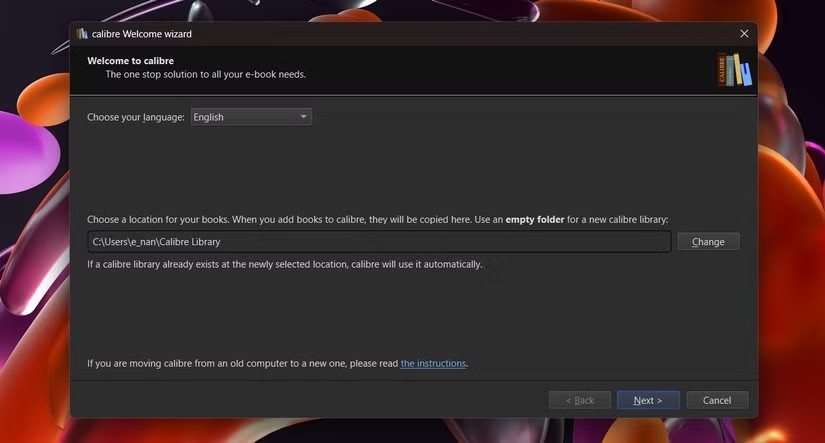
- During setup, you'll be asked to pick your eReader from a list of major brands. After choosing eReader, click Finish, and the app will open automatically.
Step 2. Add Accessible Files to the Library
- Add files that you are authorized to access and that Calibre can read as ordinary ebook files.
- Review the title, author, series, cover, and available formats before making changes to your library.
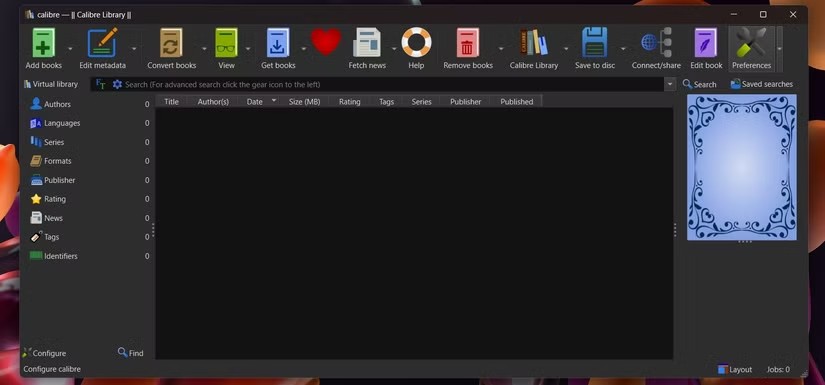
- Use Calibre’s built-in library tools to review accessible files, including their title, author, cover, and available formats.
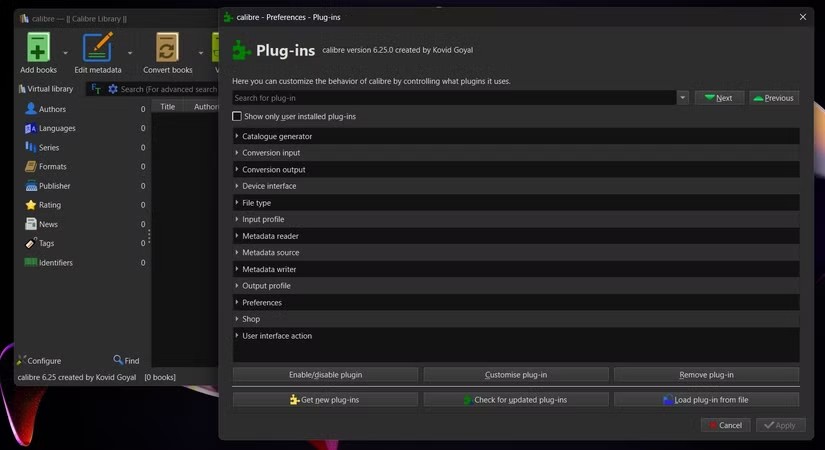
- If a book is missing or cannot be opened, confirm that you have an accessible file rather than assuming an app download can be imported.
- Keep a copy of the original accessible file before editing metadata or converting it for another reading app.
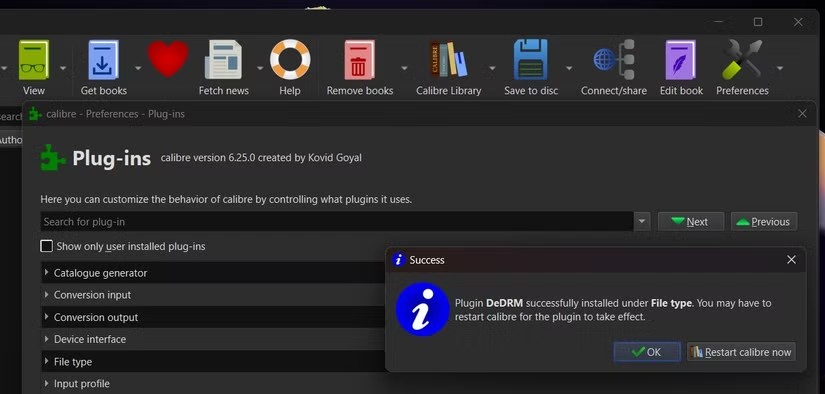
- Keep the original accessible file before changing metadata or creating another format for a compatible reading app.
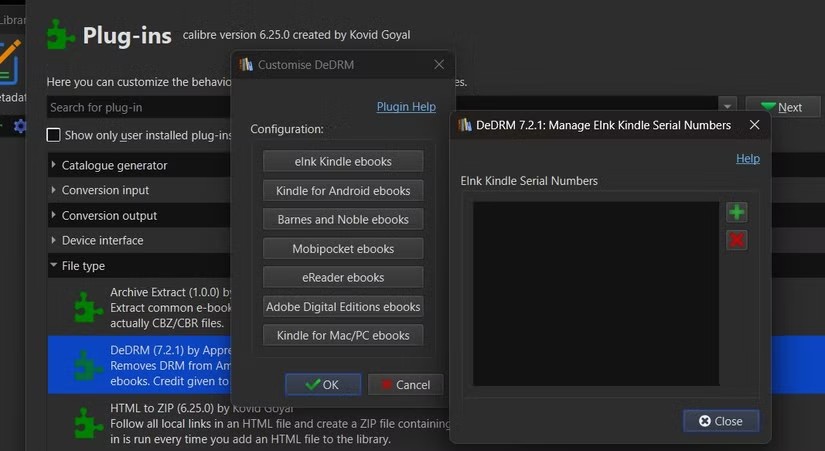
Step 3. Verify the Book Before Conversion
- Confirm that the book appears in the Calibre library and opens as an accessible ebook file.
- For technical readers who already have accessible files, Calibre can be useful for organization and format work. It is not a quick supported NOOK download method.
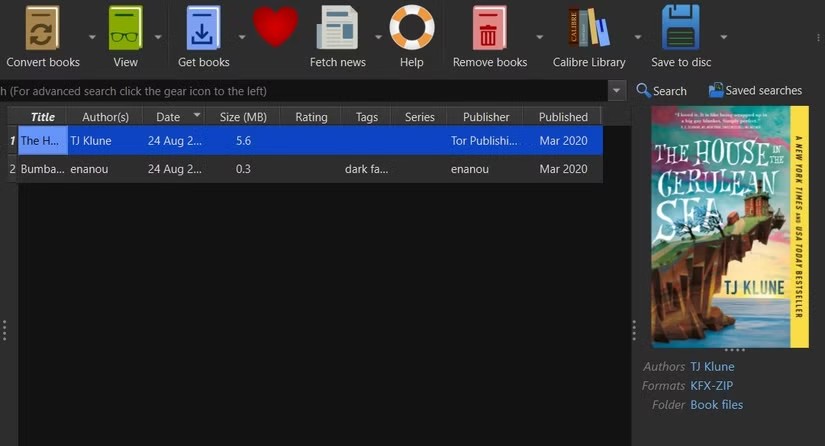
Step 4. Convert the Nook Books and Download Them
- Select Add books and pick one or more titles.
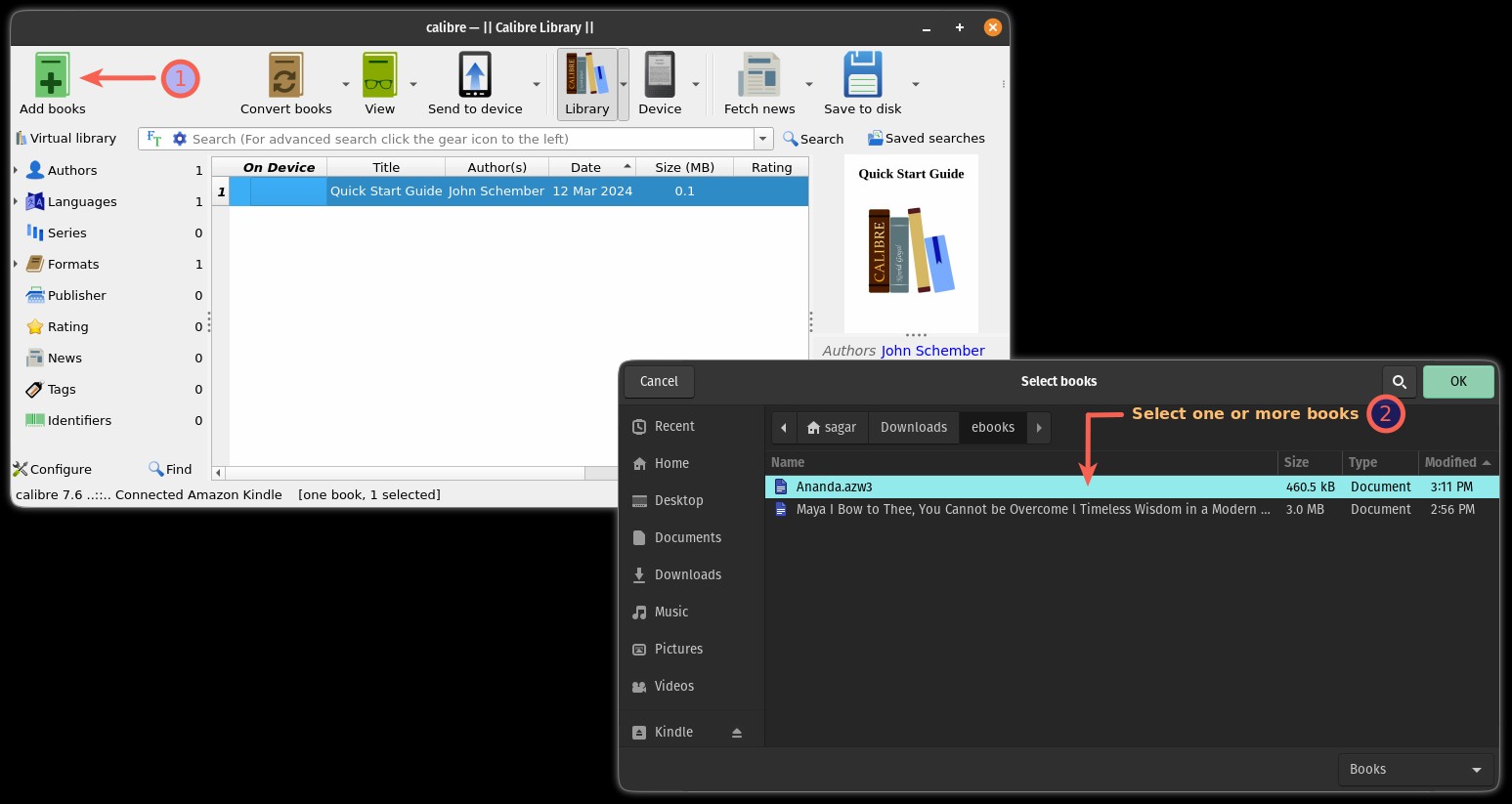
- Once you have added books to the library, choose one or more books and press the Convert books option.
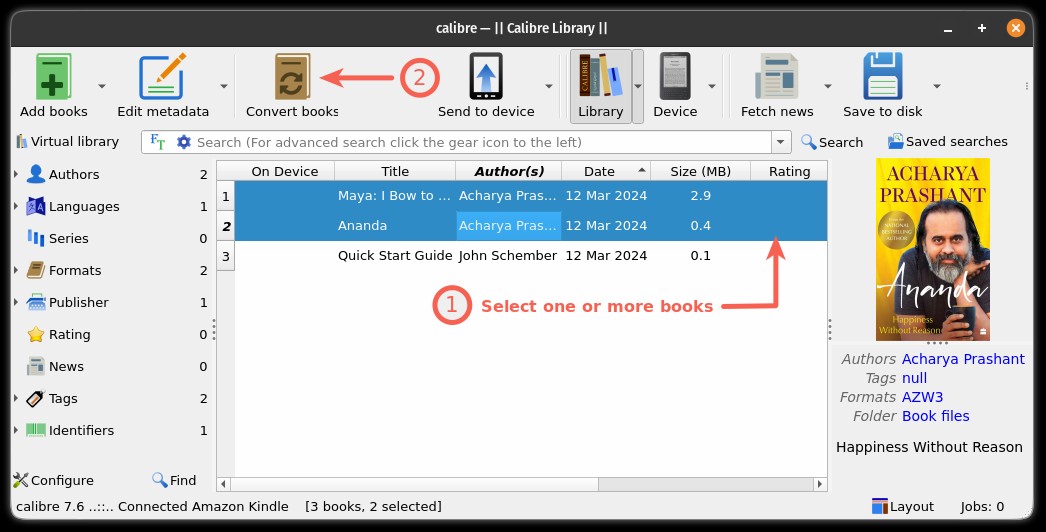
- Then, select your desired output format and click OK.
Fix NOOK Download and Sync Problems
App Download and Library Sync Checks
If a NOOK title will not download, confirm that Wi-Fi or cellular downloads are allowed in the app, the app is updated, the account is signed in correctly, and the device has free storage. Refresh the library after a purchase or account change, then check whether the specific title is eligible for the access method you are using.
A missing title in file browsing is not always a failed download. NOOK app downloads are managed for offline reading inside the app, so they may not appear as a transferable EPUB or PDF in a computer folder.
USB and Device Recognition Checks
When transferring external EPUB or PDF files to a NOOK device, use a data-capable USB cable, try another port, and confirm that the device is in the appropriate USB connection mode. For library files that use Adobe Digital Editions, make sure the computer and device are authorized with the intended Adobe account before troubleshooting the file itself.
I would retry the supported app or Web route before spending time on local-file troubleshooting when offline reading is the real goal. A local-file setup is a poor match when the source file is unavailable or the target device does not support the intended format.
FAQs
Where are NOOK downloads stored on Android?
NOOK downloads on Android are managed within the app’s storage for offline reading. They are not the same as ordinary user-accessible ebook files, so Android file browsing, USB connections, or Calibre may not show a transferable EPUB or PDF.
ACan I move NOOK books to a Kindle or Kobo?
External EPUB or PDF files can sometimes be moved when the target device supports the format and the file’s authorization allows it. Barnes & Noble purchases are different: migration depends on the source file, account access, device support, platform terms, and applicable law. Readers moving a large legacy library should first identify which titles are already accessible as compatible files rather than assume one process will work for every purchase.
ACan archived NOOK books be downloaded again?
Archiving a title preserves account-based access; it does not create an independent transferable backup. You may be able to download an eligible archived title again through supported NOOK access, while an offline app download and an authorized local file are separate outcomes. For account recovery, the NOOK library is the relevant reference point; for device migration, start by confirming whether you have a compatible accessible file.
ACan I get free NOOK books legally?
Yes. Public-domain titles, library lending programs, and legitimate Barnes & Noble promotions can provide lawful reading options. Availability, lending periods, and supported devices depend on the provider and the individual title.
AConclusion
The right way to download NOOK books depends on the result you need. Use the NOOK mobile app for supported offline reading, NOOK for Web for eligible computer reading, and USB or Adobe Digital Editions for compatible external EPUB or PDF files. Consider an authorized local-file workflow only when portability is the actual requirement; when supported app or browser access already meets the goal, it is the route I would keep.

 EPUB DRM Explained: Authorized Access, Calibre Limits, and Kindle OptionsBy Amber Collins - Aug 17, 2026
 Convert iBooks to PDF in 2026: 4 Methods by File TypeBy Amber Collins - Aug 11, 2026
 How to Remove Kobo DRM from KEPUB and ACSM Kobo BooksBy Amber Collins - May 14, 2026