Best Virtual Drive Software for Windows 11: Virtual CloneDrive and Alternatives

Summary: Windows 11 can mount ordinary ISO and IMG files without extra software, but broader formats, multiple drives, or image editing may justify another utility. This comparison separates maintained general options from specialist and legacy tools, updates Virtual CloneDrive safety guidance, and gives a scenario-based choice.
Table of Contents
If you are searching for a virtual drive on Windows 11, start with the file itself. Windows can mount ordinary ISO and IMG images without extra software, while BIN/CUE, MDF/MDS, several simultaneous disc images, and VHD or RAM-disk work may require another utility. That distinction avoids installing a CD emulator for a job File Explorer already does and keeps specialized formats with software designed for them.
This comparison puts Virtual CloneDrive for Windows 11 beside six maintained alternatives, separates current software from legacy utilities, and ends with fixes for driver errors, unreadable images, and stuck drive letters. My recommendation is to choose by image type first, then decide whether you need mounting, image authoring, or disk analysis.
Do You Need a Virtual Drive on Windows 11?

Windows 11 already provides a virtual CD drive and virtual DVD drive for ISO and IMG files. Right-click the image, choose Mount, use the new drive in File Explorer, and choose Eject when finished.
Install separate virtual drive software when the built-in command is missing, the file uses BIN/CUE or MDF/MDS, several images must stay mounted, or the task involves VHD/VHDX and RAM disks. I would not add another driver until the image type proves that Windows cannot do the job itself.
- One ISO or IMG: use Windows 11's built-in Mount command.
- Several optical images: use Virtual CloneDrive or another tool that supports multiple virtual drives.
- BIN/CUE or MDF/MDS: check the tool's exact format list and mixed-mode support.
- VHD/VHDX or RAM disk: use Windows disk tools or OSFMount, not an optical-disc emulator.
- Create, edit, or burn an image: choose disc-authoring software instead of a mounting-only utility.
Virtual CloneDrive Review: Features, Limits, and Best Uses
Virtual CloneDrive remains a current, lightweight choice for optical-image mounting on Windows 11. Its main advantages are Explorer integration, freeware licensing, and support for several simultaneous drives; its limits appear when the task moves beyond optical images.
What Is Virtual CloneDrive?
Virtual CloneDrive emulates CD, DVD, and Blu-ray drives and mounts common image formats including ISO, BIN, IMG, UDF, DVD, and CCD. It supports up to 15 virtual drives and integrates its mount and eject commands into Windows Explorer.
The official page lists Windows 11 support. A February 2025 release updated the ElbyCDIO driver to address a privilege-escalation vulnerability, which is a useful maintenance signal for anyone deciding whether Virtual CloneDrive Windows 11 support is merely historical or still active.
Best for: lightweight ISO and optical-image mounting with several drive letters. Not ideal for: VHD/VHDX mounting, RAM disks, image authoring, or mixed-mode BIN/CUE files whose track layout is not supported.
How to Use Virtual CloneDrive
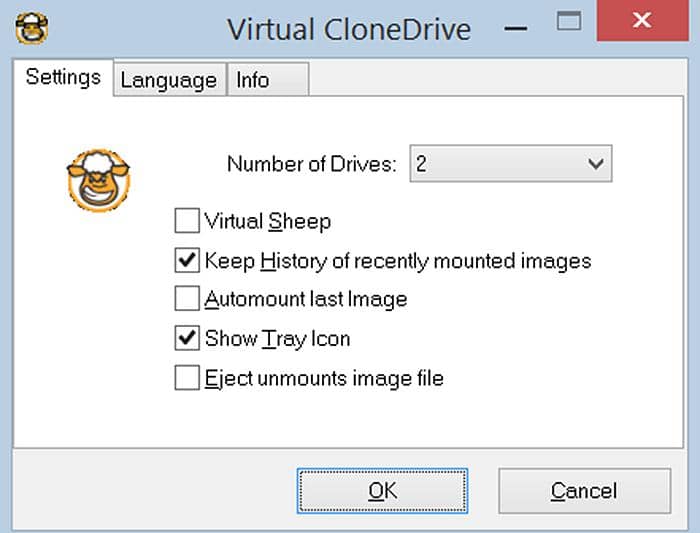
The basic setup is short: install the official package, choose the number of drives, mount an image from File Explorer, and eject it when the task is complete.
- Download Virtual CloneDrive from the official Elaborate Bytes site and run the installer with administrator rights.
- Open its settings from the system tray and choose how many virtual drives Windows should show.
- Double-click a supported image, or right-click it and select the Virtual CloneDrive mount command.
- Open the mounted drive in File Explorer and check that the expected files or tracks are present.
- Right-click the virtual drive and choose Eject when finished.
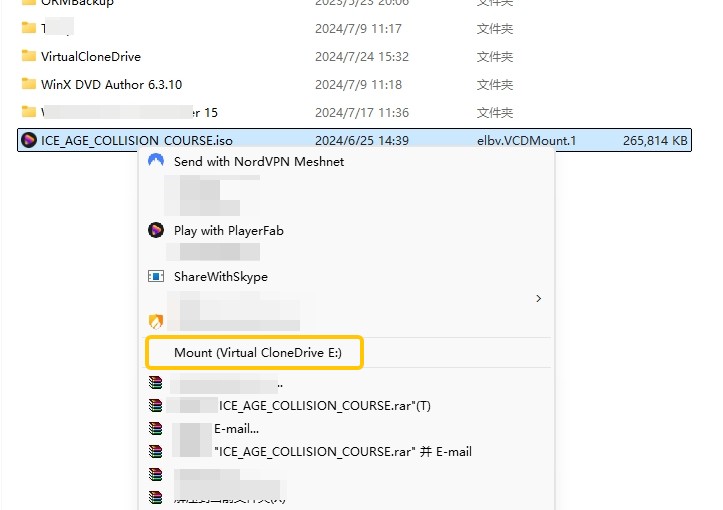
Auto-mounting the last image can be convenient on a dedicated machine, but I leave it off when changing among unrelated images. That makes a stale mount less likely to be mistaken for the file opened in the current session.
Virtual CloneDrive Pros and Cons
The software covers routine optical-image mounting well, but it should not be treated as a general disk-image utility.
- Freeware for everyday optical-image mounting.
- Current official Windows 11 support and Explorer integration.
- Mounts common ISO, BIN, IMG, UDF, DVD, and CCD images.
- Supports up to 15 virtual drives and remembers recent images.
- Windows only, with no macOS or Linux edition.
- Not designed for VHD/VHDX disks, RAM disks, or forensic images.
- Does not create, edit, convert, or burn image files.
- Mixed-mode or multi-track BIN/CUE results depend on the image layout.
Those boundaries explain the continuing search for Virtual CloneDrive alternatives. The right replacement is the one that adds the missing file type or task, not the one with the longest feature list.
Detailed Picks: Best Virtual Drive Software for Windows 11
The six current alternatives below cover different jobs: optical-disc images, Blu-ray and UHD images, authoring, VHD/VHDX disks, RAM disks, and unusual formats. Virtual CloneDrive remains the reference point for simple mounting, while the comparison focuses on what each alternative adds.
| Tool and status | Best for | Key image formats | Main limit | Installer and license |
| DVDFab Virtual Drive, current | DVD, Blu-ray, UHD images | ISO, BIN, IMG, NRG, UDF | Optical images; up to 18 drives | Official Windows installer; free |
| PowerISO, current | Mounting plus authoring | ISO, BIN, NRG, CDI, DAA | More features than mounting alone | Official installer; paid with trial |
| DAEMON Tools Lite, current | MDF/MDS and mixed image libraries | ISO, MDX, MDS/MDF, VHD | Free edition has ads and locked extras | Official installer; free with ads |
| OSFMount, current | VHD/VHDX, RAM disks, forensic images | VHD, VHDX, raw images, E01 | Not a disc-authoring tool | Official Windows installer; free |
| ImgDrive, current | Audio and multi-session images | CUE, CCD, ISO, MDS, NRG | Pro needed for some formats and drives | Installer or portable; free and Pro |
| gBurner Virtual Drive, current | Broad Windows image mounting | ISO, BIN/CUE, MDF/MDS, NRG, VHD | Mounting-focused Windows utility | Official installer; free |
The status snapshot above is current as of September 2026. Licensing details are current as of September 2026 and may change.
For the best virtual drive software, I would narrow the list by file type before comparing interface details. Optical images, virtual hard disks, and forensic images may all appear as drive letters, but they require different software behavior.
DVDFab Virtual Drive
- Best for: DVD, Blu-ray, and Ultra HD Blu-ray ISO mounting on Windows
- Available OS: Windows 11/10/8.1/8/7 (64-bit)
- Price: Free
DVDFab Virtual Drive is a free virtual drive tool for Windows users who need more than the basic ISO Mount option built into Windows 11. It can emulate up to 18 virtual drives and mount disc image formats such as ISO, BIN, CCD, DVD, IMG, MINISO, NRG, and UDF.
This tool is a strong fit for DVD, Blu-ray, or Ultra HD Blu-ray images created by DVDFab or other disc tools. You can mount or unmount images from the system tray, set the number of virtual drives, and reload recently used image files when needed.

For users who need to create ISO files or extract them from discs, DVDFab also provides disc copy software: DVD Copy and Blu-ray Copy, which can remove copy protection and ensure compatibility with any playback software.
- Create ISO Files & burn discs from files or folders
- Burn files, folders or ISO files to blank discs in different modes
- Auto-mounting the last image when the tool exits from the system tray
- This Free virtual drive software will be auto-updated with latest features
- Extract ISO files from discs for compatible use with third-party software
How to Use DVDFab Virtual Drive [Tutorial]
Step 1: Download and install this best free virtual drive. After installation, right-click on the DVDFab Virtual Drive icon that has been minimized to the system tray, then select "Set Number of Drives" to choose the number of virtual drives you want to emulate.
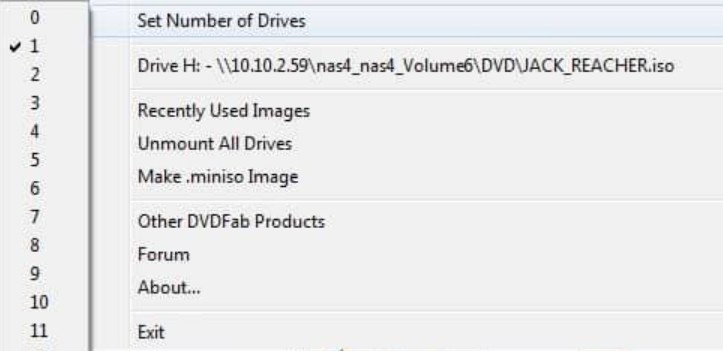
Step 2: There're three ways to mount the ISO image file to the specified virtual drive. You can right-click the ISO file directly, you will see the "Mount" option and all available virtual drives will be displayed. Or you can right-click on the DVDFab Virtual Drive icon in the tray and select the "Mount" option under each virtual drive in the pop-up menu. If you want to remount an opened ISO file, just right-click on the icon and click on "Recently Used Mirrors", then you can select the ISO file you want to remount.
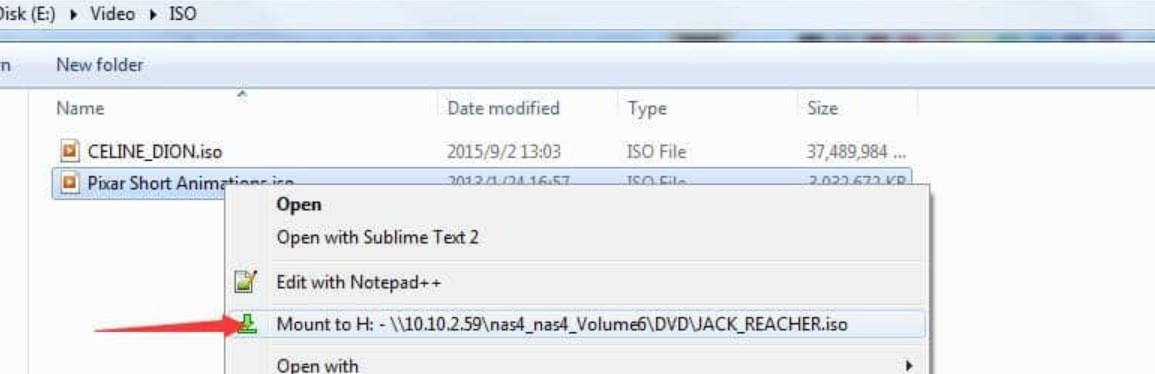
Step 3: Use PlayerFab or another player to play ISO files. Just click the "Open File" button, select the ISO file mounted by DVDFab Virtual Drive and start playing it.
PowerISO
- Best for: Editing, creating, converting, and mounting image files
- Available OS: Windows 11/10/8.1/8/7/Vista/XP
- Price: Paid software with trial version
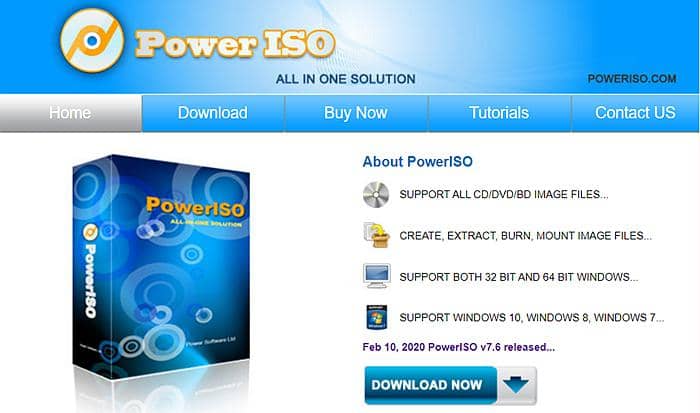
PowerISO offers a full suite of virtual drive and disc authoring tools. Beyond mounting ISO files, it can create, edit, burn, and compress popular disc image format, including ISO, BIN, NRG, CDI, and DAA. The software allows you to make bootable USBs, extract music or data from discs, and convert images between multiple formats.
Its internal virtual drive integrates with Windows for one-click ISO mounting, while the portable edition provides flexibility for users who manage discs across several systems.
Daemon Tools Lite
- Best for: Users who need older image formats and extra disc tools
- Available OS: Windows 11/10/8.1/8/7/Vista/XP/2000/98
- Price: Free version available; some features are paid
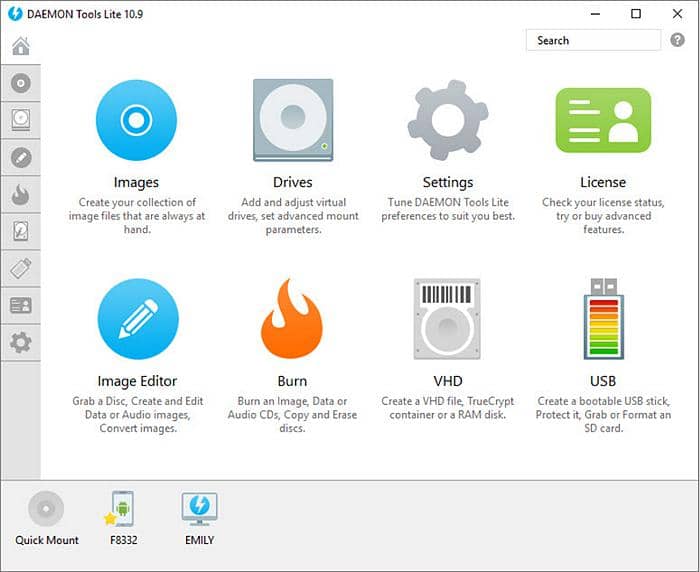
DAEMON Tools Lite is a long-running virtual drive application with broad disc image support. It supports over 20 image formats and can emulate multiple DT, SCSI, IDE, and HDD virtual drives simultaneously. In addition to mounting, the software can create, edit, and protect image files, as well as generate writable virtual drives to simulate burning data without a physical disc.
The limitation is that the free version may include ads or locked features, while advanced tools require paid modules or upgrades. It suits users who need broader format support and do not mind a heavier program.
OSFMount
- Best for: Disk image testing, forensics, and RAM disk workflows
- Available OS: Windows 11/10;Windows 8/7
- Price: Free
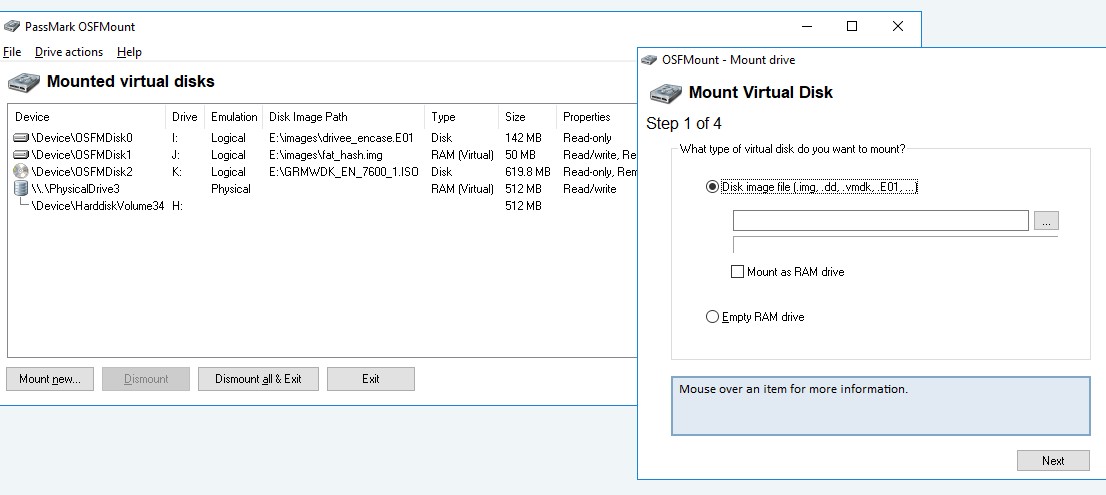
OSFMount, developed by PassMark Software, is a reliable and lightweight free virtual drive utility that also integrates with OSForensics. It supports 11 image types and lets users mount ISO files, local disk images, or RAM drives directly within Windows.
Power users can decide whether each image appears as a removable drive or a writable RAM disk, which makes OSFMount well suited to testing, forensic analysis, and data recovery. Despite being free, it offers advanced control over mounting parameters, caching, and drive-emulation modes.
ImgDrive
- Best for: Lightweight mounting, audio disc images, and folder-to-disc emulation
- Available OS: Windows 11/10/8.1/8/7/Vista/2003/XP
- Price: Free
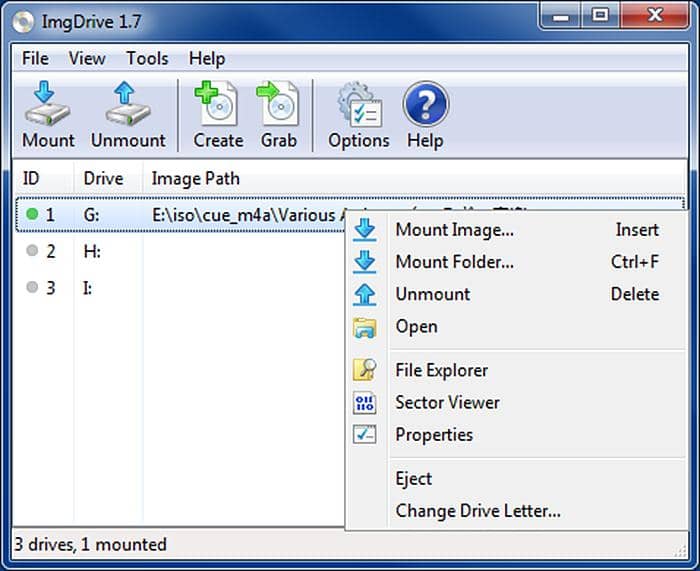
ImgDrive by Yubsoft is a free and lightweight virtual drive tool. It can emulate up to seven virtual drives simultaneously and supports both standard disc images (ISO, CUE, NRG, MDS, MDF, CCD, ISZ) and audio formats such as APE, FLAC, and WAV.
Unlike many ISO mounters, ImgDrive also allows mounting folders as virtual DVDs or Blu-rays, and includes command-line support for batch operations.
gBurner Virtual Drive
- Best for: Basic mounting and common disc image workflows
- Available OS: Windows 11/10/8.1/8/7/Vista/XP/2000/Me/98
- Price: Free
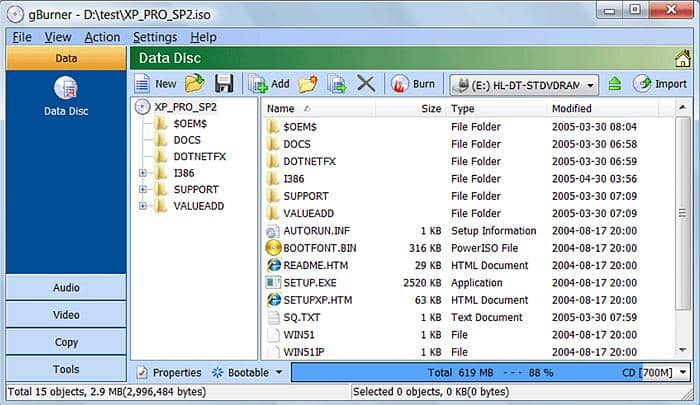
gBurner Virtual Drive mounts common disc image formats in Windows. Choose it when the built-in Mount option cannot open files beyond standard ISO or IMG, especially formats such as BIN, CUE, MDF/MDS, NRG, VHD, or VDI.
The program can mount multiple virtual drives and supports formats such as ISO, BIN, CUE, MDF/MDS, NRG, VHD, and VDI. It may fit users who already work with gBurner tools or need a simple way to open several image formats.
 \\
\\
Legacy Virtual Drive Tools for Older Windows Systems
WinCDEmu, Gizmo Drive, MagicISO, and ISODisk should not be ranked beside maintained Windows 11 alternatives. They remain relevant for old machines, archived procedures, or historical image collections, but each has a clear modern-use boundary.
- WinCDEmu, legacy and verify on Windows 11: open source and easy to use, but its published system list ends at Windows 10 and its release history is old.
- Gizmo Drive, discontinued: keep it for an existing older setup, not for a new Windows 11 installation.
- MagicISO, historical: useful for old ISO/BIN archives on period systems, with its commonly referenced final version dating to 2010.
- ISODisk, limited: its own site says the ISO creation feature can work on newer Windows, but its mounting feature does not work correctly on Windows 7, 10, or 11.
I would preserve a working legacy installation only when it supports an old machine or archive that cannot be moved yet. For a new Windows 11 system, an official, maintained installer reduces driver and compatibility uncertainty.
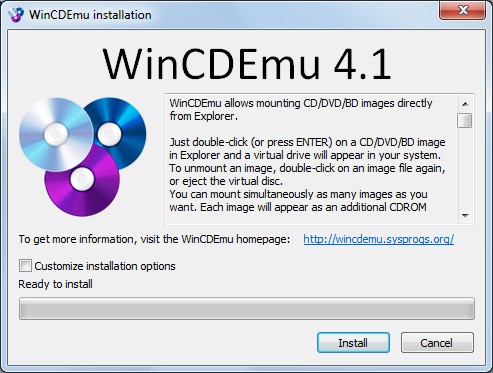
WinCDEmu
WinCDEmu is an open-source optical-image mounter for ISO, CUE, NRG, MDS/MDF, CCD, and IMG files. Its double-click behavior and multiple-drive support remain useful, but Windows 11 users should verify it on the actual machine before making it the default mounter.
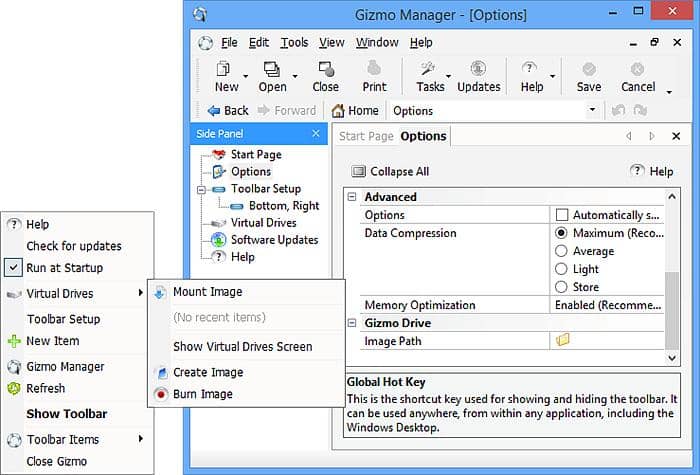
Gizmo Drive: Discontinued Legacy Tool
Gizmo Drive is a discontinued Windows 7-era utility. It can mount older optical and virtual-disk formats, but it is not a suitable choice for a fresh Windows 11 driver installation. Use a maintained replacement unless an existing legacy setup depends on its GDRIVE or older image support.
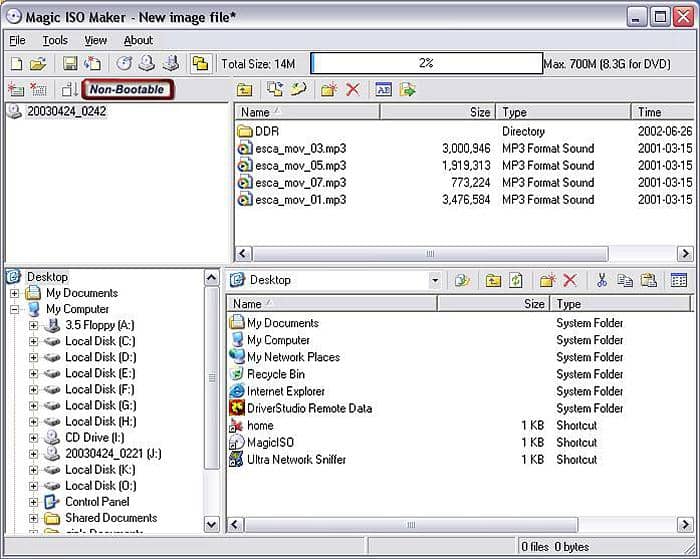
MagicISO
MagicISO is historical software for opening, creating, editing, and converting ISO and BIN images. It may still help with an old archive on a compatible system, but its age and discontinued status make PowerISO, ImgDrive, or another maintained utility more appropriate for current Windows installations.
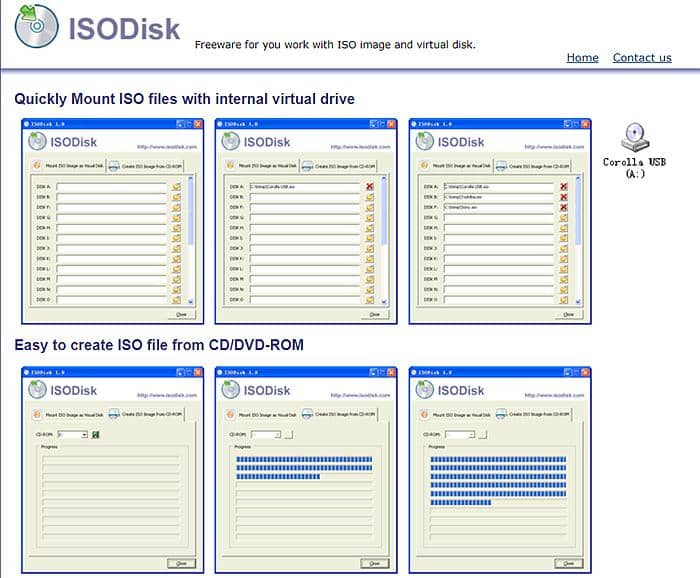
ISODisk
ISODisk creates ISO files and can expose images as virtual CD or DVD drives on its supported older systems. Its official notice directs Windows 7, 10, and 11 users to the built-in ISO Mount command because ISODisk mounting does not work correctly there.
Fix Virtual Drive Problems on Windows 11
Start by deciding whether the failure belongs to the installer, the image file, or a drive letter left by the mounting driver. Applying the wrong fix can turn a simple bad image into an unnecessary driver cleanup.
Driver Installation Fails
Use the vendor's official installer, confirm Windows 11 support, and run it with administrator rights. If Windows Security blocks the driver, inspect the publisher and signature instead of repeatedly approving an unknown package.
- Uninstall an older edition of the same virtual-drive utility.
- Restart Windows to release the existing driver.
- Download a fresh official installer and check its digital signature.
- Install one virtual-drive program at a time, then restart if requested.
Mounted Images Appear Unreadable
An unreadable mount usually points to a damaged image, the wrong image type, or an image whose file system Windows cannot read. Try a known-good ISO in the same tool; if that works, investigate the original file before changing drivers.
- Compare the image size with the expected source and copy it again if the transfer was interrupted.
- Open the image with an archive or inspection utility to see whether its directory is readable.
- Try the format's native tool when the extension was renamed or the image uses a specialized file system.
A Drive Letter Will Not Disappear
Eject the image first, close the tray application, and set its virtual-drive count to zero. If the letter remains after a restart, uninstall that utility and inspect Device Manager for its virtual storage driver before installing another program.
BIN or CUE Images Will Not Open
BIN CUE mounting depends on both files and the track references inside the cue sheet. Keep the BIN and CUE together, avoid renaming one without editing the other, and use a tool that states support for the image's audio, data, or mixed-mode layout.
My first check is the cue sheet in a text editor: the referenced filename must match the actual track file. A spelling mismatch is an image-file problem; a correctly paired image that still fails may need ImgDrive, DAEMON Tools Lite, or another maintained tool with the required track support.
FAQs
Does Windows 11 Need Separate Virtual Drive Software?
No for ordinary ISO and IMG files. Install another utility for unsupported optical formats, multiple virtual drives, VHD/VHDX or RAM-disk tasks, or image authoring.
Does Virtual CloneDrive Work on Windows 11?
Yes. Its official system requirements include Windows 11, and a 2025 release updated the driver. It remains focused on optical-image mounting, not VHD disks, RAM disks, or authoring.
Is Virtual CloneDrive Safe to Download?
Download it from the official Elaborate Bytes site and check the installer publisher. If security software raises an alert, inspect the signed file and current vendor release before deciding whether the warning is a false positive.
Can Virtual CloneDrive Open MDF or CUE Files?
Its official common-format list includes BIN but does not list MDF/MDS. CUE and mixed-mode behavior can depend on the track layout, so use a maintained alternative with explicit support when those files are central to the task.
Which Virtual Drive Software Fits My Image Type?
Use Windows for ISO or IMG, an optical-image mounter for BIN/CUE or MDF/MDS, DVDFab Virtual Drive for supported DVD, Blu-ray, or UHD images, and Windows disk tools or OSFMount for VHD/VHDX and RAM-disk work.
How Do I Remove a Stuck Virtual Drive?
Eject the image, exit the tray app, set its drive count to zero, and restart Windows. If the letter remains, uninstall the related utility and check its virtual storage device in Device Manager.
Conclusion
Use Windows 11 for ordinary ISO and IMG files. Choose Virtual CloneDrive for lightweight optical-image mounting and several drives, or choose a maintained alternative when the required format, image-authoring task, Blu-ray or UHD use, VHD/VHDX disk, RAM disk, or repair need is different.
My balanced pick is to install the smallest current tool that clearly supports the image in front of you. DVDFab Virtual Drive is a reasonable free option for supported optical-disc images and multiple drives, but it is not intended for virtual hard disks, RAM disks, forensic images, or image editing.

 How to Rip DVD to ISO on Windows 10/11 and Mac in 2026By Wenny Yan - Oct 12, 2026
![11 Best ISO Creators to Create ISO File on Windows & Mac [2026 Updated]](https://images.dvdfab.cn/artifact/2026/10/09/DVxGGdRFZrckamUXZ3-uk9NfbC6bsZr3/feature_cover.jpg) 11 Best ISO Creators to Create ISO File on Windows & Mac [2026 Updated]By Wenny Yan - Oct 9, 2026
11 Best ISO Creators to Create ISO File on Windows & Mac [2026 Updated]By Wenny Yan - Oct 9, 2026 8 Best Free ISO Burners for Windows and Mac in 2026: Tested PicksBy Diana Smith - Sep 16, 2026
![How to Remove DVD Copy Protection: 6 Software Options [2026]](https://images.dvdfab.cn/media/How_to_Remove_Copy_Protection_from_DVD_upluh5.png/public) How to Remove DVD Copy Protection: 6 Software Options [2026]By Diana Smith - Sep 10, 2026
How to Remove DVD Copy Protection: 6 Software Options [2026]By Diana Smith - Sep 10, 2026